
SEO Services in UAE: What They Include, What They Cost, and How to Choose the Right Partner
Need SEO services in UAE? Learn what's included, how pricing works, and how to rank in Dubai and Abu Dhabi on Google and AI search.
Read article → Get a Free Quote
Blog/SEO
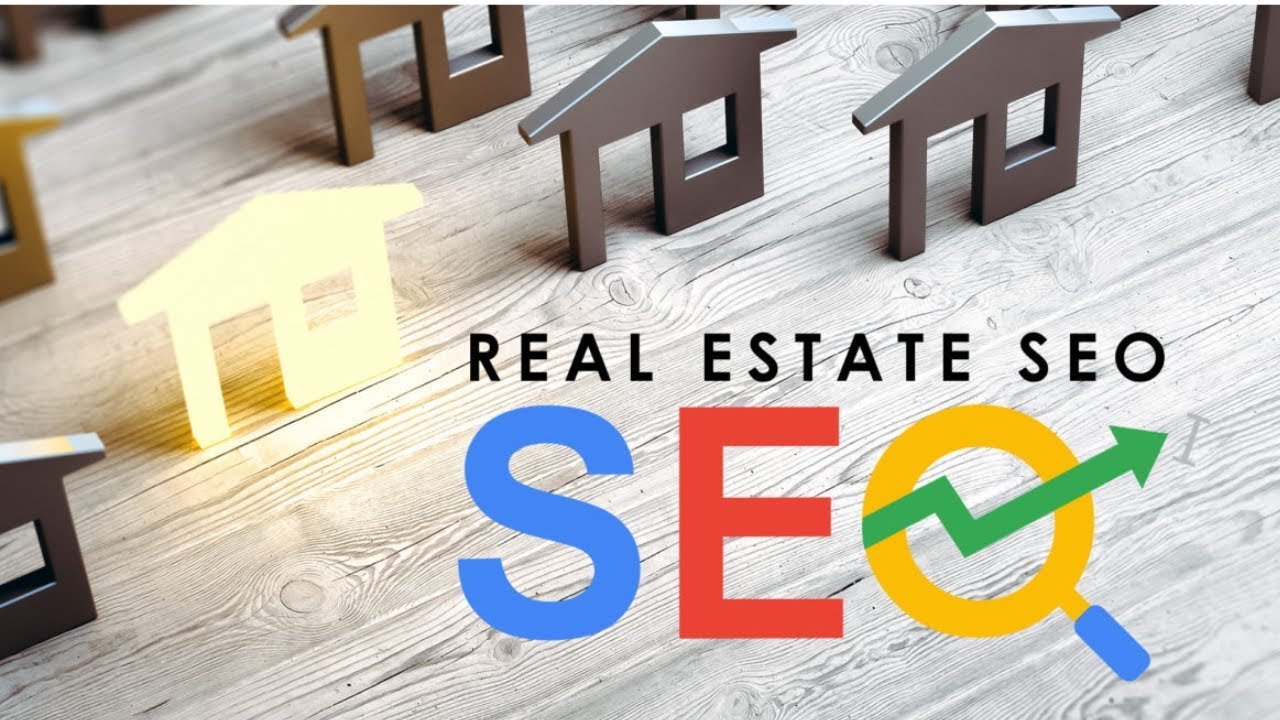
Are you a real estate agent struggling to get clients online? You’re not alone. Over 90% of homebuyers start their property search on Google and if you’re not showing up on page one, you’re invisible to them.
The good news? SEO for real estate agents is one of the most powerful and affordable ways to generate consistent, high-quality leads without paying for ads every month.
In this complete guide, we’ll show you exactly how to use SEO to grow your real estate business in 2026 from keyword research to content strategy, local SEO, and beyond.
SEO (Search Engine Optimization) for real estate agents means optimizing your online presence so you show up when potential buyers and sellers search Google for agents, listings, or property advice in your area.
When someone searches:
…you want YOUR website to appear at the top of the results.
Unlike paid ads that stop working the moment you stop paying, SEO delivers long-term, compounding results that keep bringing you leads month after month.
The real estate market has never been more competitive online. Here’s why SEO is now essential:
The agents winning in 2026 are those who own their local search presence — and it starts with the right SEO strategy.
(These naturally appear throughout the content for maximum topical relevance)
| Primary Keyword | LSI / Related Keywords |
|---|---|
| SEO for real estate agents | real estate SEO strategy |
| real estate agent SEO | realtor SEO tips |
| local SEO for realtors | real estate digital marketing |
| real estate website optimization | property SEO keywords |
| Google Business Profile for realtors | real estate content marketing |
| real estate keyword research | on-page SEO for real estate |
| real estate lead generation SEO | real estate organic traffic |
| how to rank real estate website | real estate blog ideas |
The foundation of any successful real estate agent SEO strategy is finding the right keywords.
Buyer Intent Keywords:
Seller Intent Keywords:
Agent/Service Keywords (Your Main Target):
Informational Keywords (for blog content):
Big portals own broad keywords. But nobody owns “best real estate agent in [your specific neighborhood]” — that’s YOUR opportunity.
Once you have your keywords, it’s time to optimize your pages. Here’s what every real estate agent’s website page needs:
Include your primary keyword and location:
“Real Estate Agent in Austin TX | [Your Name]”
Write a compelling description that includes your keyword and a call to action:
“Looking for a trusted real estate agent in Austin? [Your Name] helps buyers and sellers get the best deals. Book a free consultation today!”
One H1 per page — include your primary keyword naturally.
Use LSI and related keywords in your subheadings. This helps Google understand your content depth.
Keep it clean and keyword-rich:
yoursite.com/real-estate-agent-austinyoursite.com/page?id=456Every image needs descriptive alt text:
alt=”real estate agent showing home in Austin Texas 2026″
Link from every page to related pages on your site. This is how you build topical authority for real estate SEO.
Local SEO for realtors is where the biggest wins happen. When someone searches “real estate agent near me,” Google shows a Local Pack — three businesses on a map. Getting into this pack can transform your business.
1. Google Business Profile (GBP) — #1 Priority
2. NAP Consistency Your Name, Address, Phone number must be identical across:
3. Local Citations List your business on local directories:
4. Location Pages Create dedicated pages for every area you serve:
yoursite.com/real-estate-agent-[neighborhood]
Each page should have unique, locally relevant content — not copy-pasted from another location page.
Content is the engine that drives real estate organic traffic. The agents ranking at the top of Google aren’t just showing listings — they’re publishing valuable content that answers buyer and seller questions.
Even the best content won’t rank if your website has technical problems. Here’s what to check:
Google uses page speed as a ranking factor. Check yours at PageSpeed Insights (free tool). Aim for a score above 80.
Quick fixes:
Over 60% of real estate searches happen on mobile. Your website MUST be fully responsive.
Every website needs HTTPS. If yours still shows HTTP, fix this immediately — Google penalizes non-secure sites.
Add Real Estate Schema to your property listings. This helps Google understand your content and can generate rich snippets in search results.
Submit your sitemap to Google Search Console so Google can properly index all your pages.
One of the most common questions: “Can I rank without building backlinks?”
The answer for real estate agents is yes — especially locally. Here’s how:
Instead of chasing backlinks, build topical authority by:
When Google sees that your site covers every aspect of real estate in [city], it starts to treat you as the local authority — even without massive backlinks.
Be realistic about timelines:
| Timeline | What to Expect |
|---|---|
| Month 1-2 | Technical fixes, content published, GBP optimized |
| Month 3-4 | First rankings for long-tail keywords |
| Month 5-6 | Traffic starts growing, first organic leads |
| Month 6-12 | Consistent leads from organic search |
| Month 12+ | Compounding growth — more traffic every month |
Important: Real estate SEO is a long-term investment. Agents who stay consistent for 6-12 months consistently outperform those paying for leads indefinitely.
Targeting broad keywords like “real estate” or “homes for sale” — impossible to rank for as a new site
Thin content — 300-word blog posts don’t rank in 2026. Aim for 1,500+ words
Ignoring Google Business Profile — this is your fastest path to local visibility
Inconsistent NAP — even small differences hurt your local rankings
No internal linking — every page should link to related pages
Not tracking results — set up Google Search Console and Google Analytics (both free)
Q: How much does SEO for real estate agents cost? A: Costs vary from $500-$3,000/month depending on market competitiveness. For most agents, professional SEO delivers significantly better ROI than buying leads from portals.
Q: Can I do real estate SEO myself? A: Yes, especially for content creation and Google Business Profile optimization. However, technical SEO and strategy benefit from professional help.
Q: What’s the most important SEO factor for real estate agents? A: Google Business Profile optimization and consistent local content creation. These two factors drive the most results for most agents.
Q: How do I compete with Zillow and Realtor.com? A: Don’t try to beat them on broad keywords. Instead, dominate hyperlocal searches with neighborhood guides, local market updates, and location-specific service pages content they can’t create as effectively as a local expert.
At Nextechforce, we specialize in helping real estate agents and agencies dominate their local search markets. Our team builds complete SEO strategies including:
✅ Real estate keyword research
✅ On-page and technical SEO
✅ Google Business Profile optimization
✅ Local SEO and citation building
✅ Content marketing and blog writing
✅ Monthly reporting and strategy calls
Need SEO services in UAE? Learn what's included, how pricing works, and how to rank in Dubai and Abu Dhabi on Google and AI search.
Read article →
What is SERP insight link insertion and how does it work? This complete guide explains everything — from finding the right pages to placing contextual links that actually move your Google rankings in 2026.
Read article →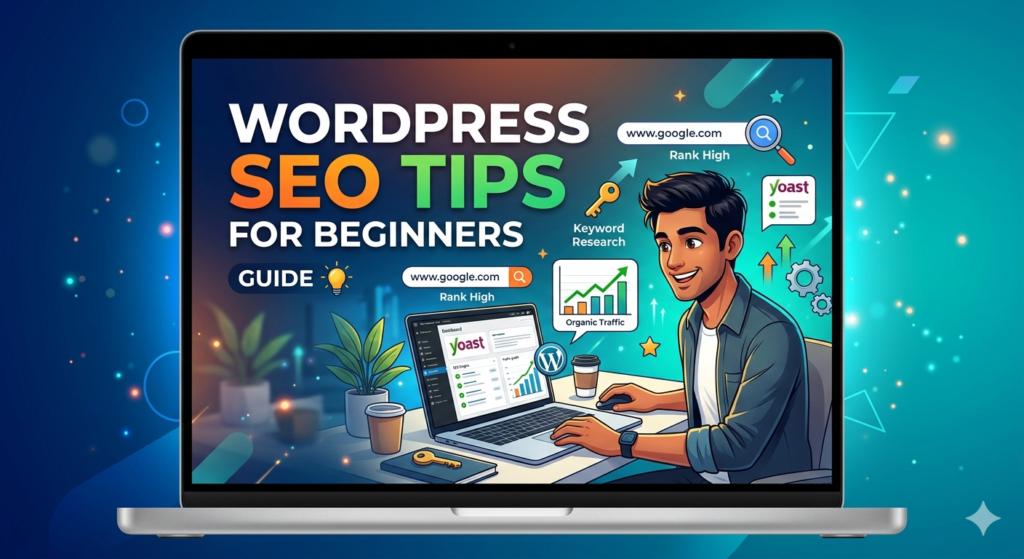
Looking for WordPress SEO tips for beginners? This complete guide covers everything — from basic setup to advanced optimization — to help your site rank higher on Google in 2026.
Read article →Join our community and keep up with everything happening in the tech world. We'll deliver insights, news, and tips straight to your inbox.